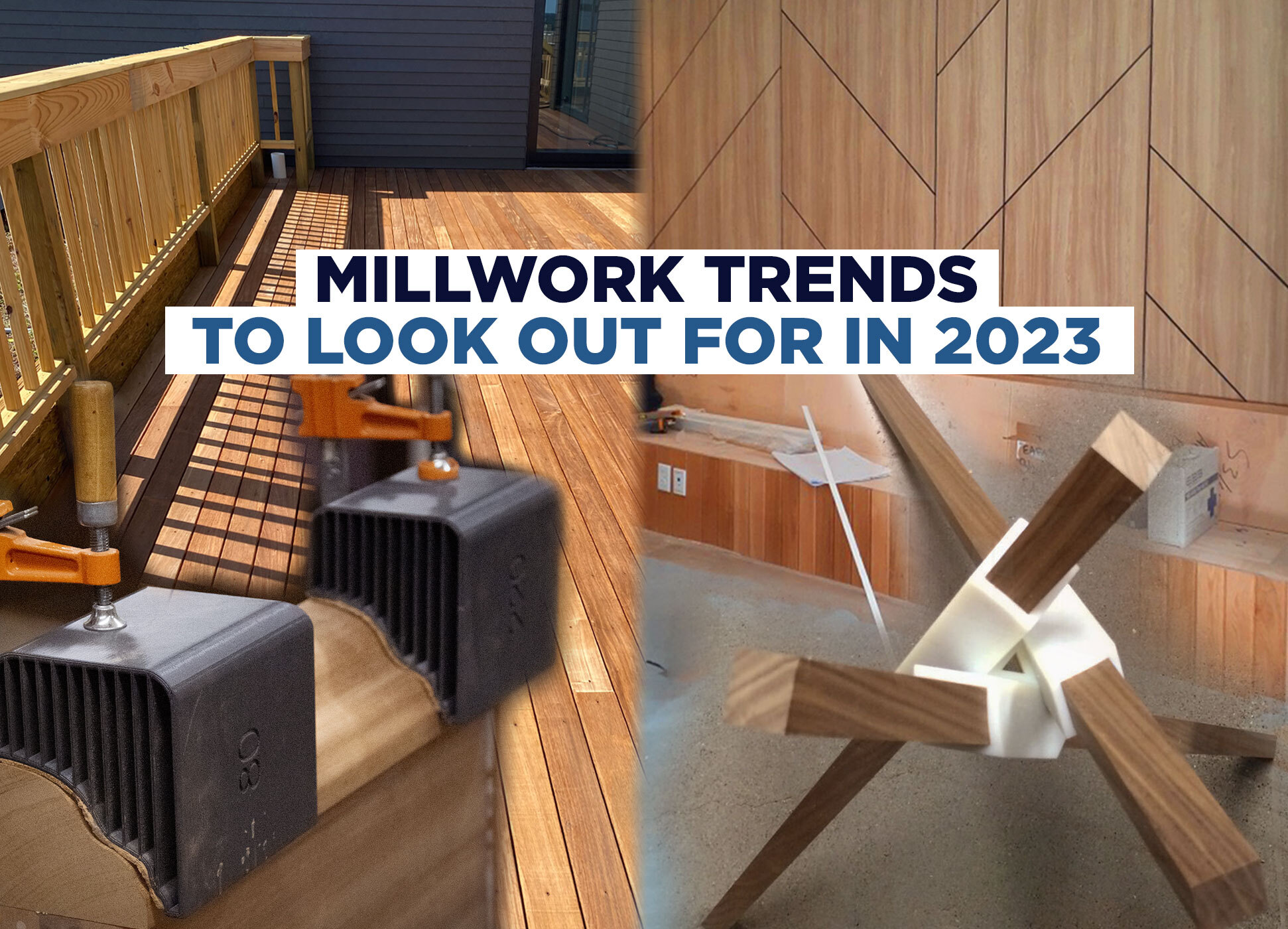
Millwork trends to look out for in 2023

https://www.youtube.com/watch?v=6UPLetrXTqU

Millwork is an ever-expanding industry with new trends appearing every year. While new products and techniques are always coming out, some of the most popular ones stick around for a while.


When it comes to millwork, trends come and go faster than you might think. So much so that we couldn’t possibly list them all here. However, that doesn’t mean you have to miss out on any of them, either!

Keep reading to know what you should anticipate next year if you’re interested in becoming part of the millwork world sooner rather than later.

Digital Millwork Workflows

Millwork has come a long way in the last few years. In addition to new tools and products, digital millwork workflows are becoming increasingly popular.

Digital millwork workflows take the guesswork out of how to make something with wood.

 
This gives you the ability to create your pieces on the computer before you ever make them for real. Most digital tools offer a series of steps that will help you achieve your desired outcome by using software such as SketchUp or Rhino 3D. These software programs also allow you to create virtual models and renderings of your design so you can see it from every angle before moving forward with production.

The best part is: they’re free! Many companies have seen their user bases explode in recent years because they provide an easy-to-use interface for those looking for a quick start into digital millwork workflows.

3D Printing for Millwork

3D printing has already been on the market for a few years now, but it’s still too early to tell what kind of impact it will have.

3D printers are capable of producing objects from wood, plastic, metal, and even food and other materials. The potential for this technology is limitless and is going to change the way we create things in the future.

While 3D printing will not replace traditional millwork techniques anytime soon, it definitely won’t be long before you start noticing its presence in your workshop.

Robots in the Shop

One of the most popular trends in 2023 will be robots in the shop. The robot revolution has been underway for a while, and many people are expecting more automation to happen in the industry. Whether it is used as a tool or just to help with repetitive tasks, this trend will be here to stay.

This year, we saw many different types of robots. Hot on their heels are hobbyist-friendly kits that you can build with your kids at home. They can even become autonomous and talk to you when you need them to do something specific. While these robots might not replace humans completely just yet, they will certainly help out around the shop and make your life easier in the future.

Building with Composites and Bamboo

Bamboo and composites are two materials that will take your millwork projects to the next level this year. Bamboo is already a very popular material, but composites have just started to become more popular in the last few years.

Composites come in a wide range of colors and textures, as well as some interesting patterns and designs. With these new materials, you can experiment with new looks on old favorites like furniture and art pieces that are both durable and lightweight. They also offer a lot of flexibility because they’re not limited to one shape or size when it comes to use. You can create anything from chairs to bookcases with these new materials.

Bamboo is another type of composite that has been around for millennia but is becoming more widespread due to its beautiful appearance and low cost. These new products offer versatility as well with their ability to be shaped in any way desired by gluing together thin layers of wood at different thicknesses. They are also more durable than lumber because they don’t expand or contract with humidity changes like other woods do, so they resist warping too much over time.

At First Nick Companies, we pride ourselves on our top-quality craftsmanship, and our millwork artisans will always bring the best product to you. Contact us today for more information!


Kosta Kritikos,

President

155-E New Boston Street | Woburn, MA 01801

O: 617.628.5130 x 1002| F: 781.305.3055 | C: 617.592.2290

www.firstnick.com | [email protected]
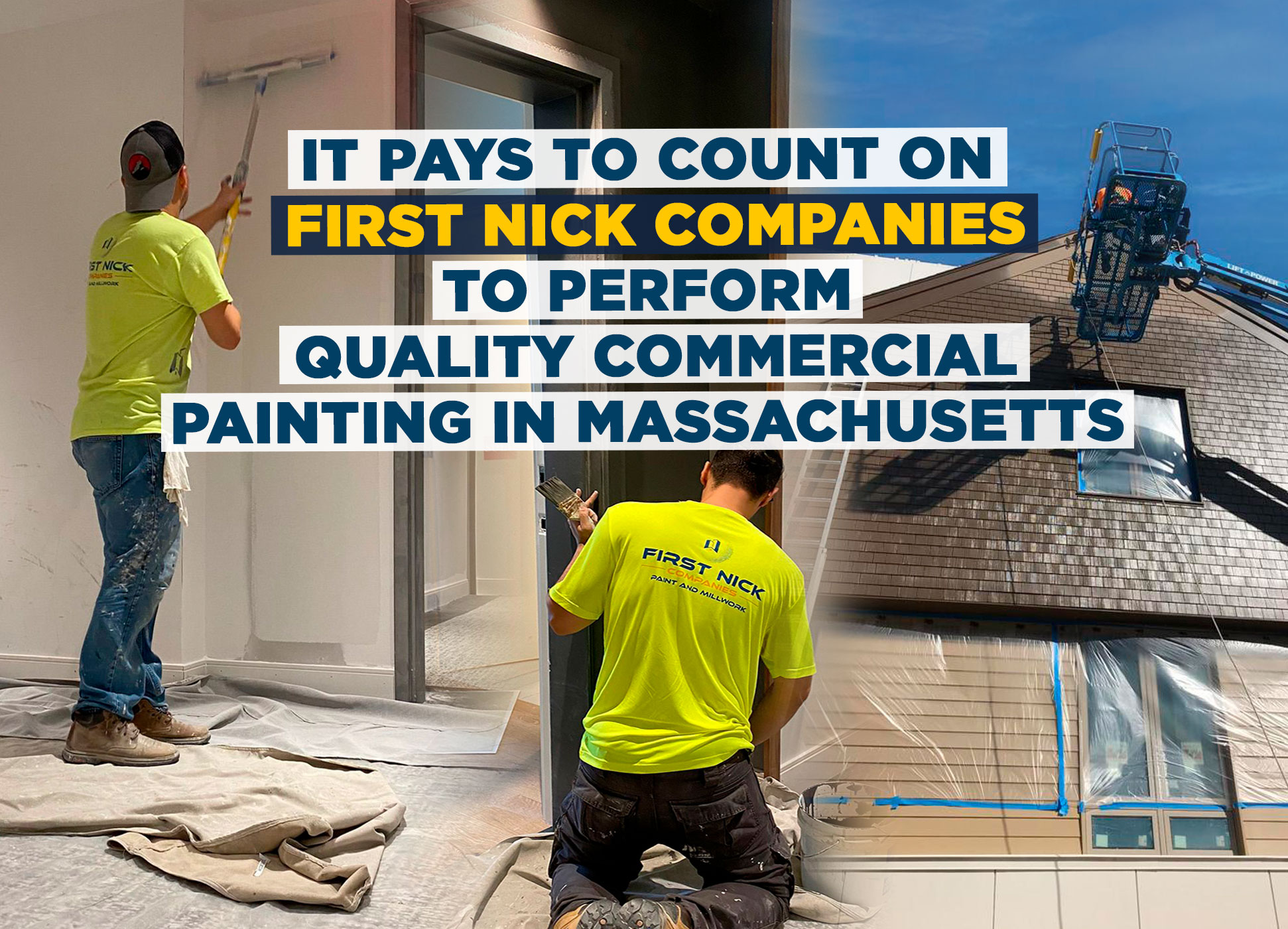
 

It Pays to Count on First Nick Companies to Perform Quality Commercial Painting in Massachusetts

https://www.youtube.com/watch?v=QaFVo155e14

The first thing anyone sees when they approach a building is its coating. It covers a vast amount of space, making it impossible to ignore. Therefore, an immaculate paint job is essential to creating the right first impression.


Inside, the same principle holds true. People will see the paint before anything else and will notice its color and condition even when they’re not actively examining it. Making sure that your interior paint is done and maintained in perfect condition will keep the experience inside your building in line with the expectations set by the outside.


Why You Should Count on First Nick Companies for Your Commercial Painting

New Installations


With First Nick Companies, you aren’t limited to basic paint. We have experience with a wide variety of interior and exterior coatings. Our options include the chance to get special textures and finishes that most others can’t provide. This service is available for both interior and exterior surfaces


We can also install any kind of wall covering. Whether you’d like a mural along one wall or fabric coverings all the way down each hallway, First Nick Companies are ready to make it happen.


When you need specialized coatings, look to us for the best solutions. We can apply unique coatings to create markerboard walls, add fire resistance, resist graffiti, repel water, and more. Just call us whenever you need any wall to do more than just look nice.


Of course, we are still always ready to apply basic paint. There are many situations in which regular paint is the most appropriate coating, and we will apply it with perfection.


Maintenance


In commercial environments, it’s common for the paint in certain areas to get damaged long before the entire wall needs to be redone. If ignored, the building will look “raggedy” despite large areas of pristine wall treatment.


Our maintenance service prevents this raggedy look from coming to your building. We apply touch-up paint to eliminate chips, scuffs, and scratches without redoing entire walls. This keeps your building looking great in between complete paint jobs. Our crews are discreet, so there is minimal to no disruption during the touch-up process.


Expanded Services


When you need ongoing carpentry as well as paint installation and maintenance, consider our property management and facility services option. With this, we send crews to inspect and maintain your premises on a regular basis. This ensures that your property keeps looking great over time, with no need to make special calls to get work done.


As you can see, First Nick Companies aren’t your typical one-and-done painting service providers. We offer far more than regular paint, and our maintenance services help keep it looking great. Our carpentry services take things up another notch, and keep your building from suffering from the traffic that comes with being open to the public.


To get started with any of our services, just contact us here at First Nick Companies in Massachusetts. We’ll be glad to work with you.


Kosta Kritikos,

President

155-E New Boston Street | Woburn, MA 01801

O: 617.628.5130 x 1002| F: 781.305.3055 | C: 617.592.2290

www.firstnick.com | [email protected]
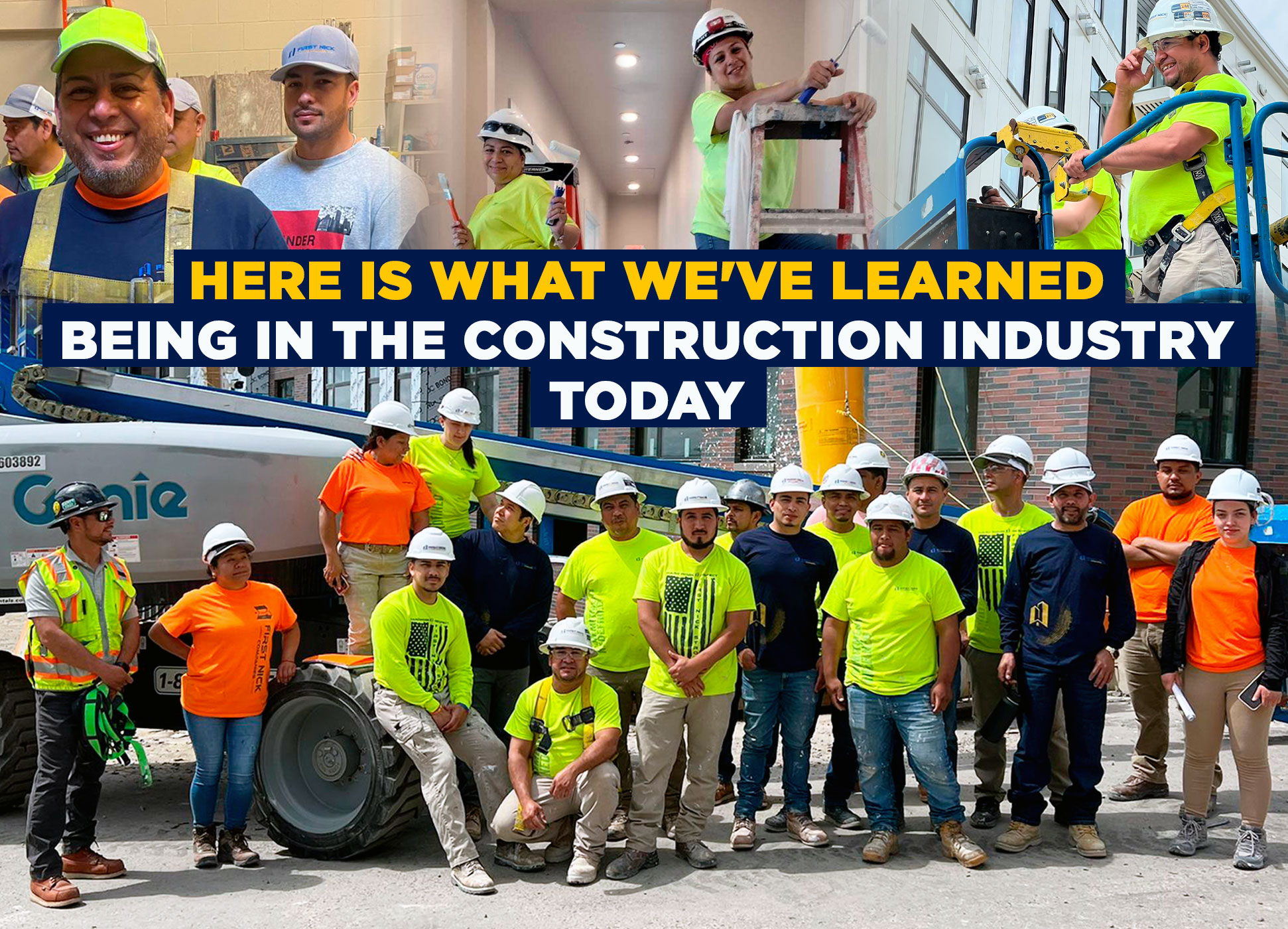


2022’s Q1 & Q2 Are Over. Here Is What We’ve Learned Being In The Construction Industry Today

There’s no doubt about it; the past couple of years have been tough — for all of us. We join almost everyone else in the hope that we won’t have to repeat these times again in our lifetime. We have also learned some lessons, and we hope those lessons will serve us well in the future.

Now is not the time to rest. At First Nick Companies, we think it’s time to adopt a bold vision of the future, and we intend to apply the lessons we have learned as we move ahead.

What, exactly, have those lessons entailed?

Our Team Is Our Backbone

We need our team to thrive, and we acknowledge the responsibility to make that happen in the future. Now that the worst times of the pandemic seem to be ending, we are still faced with global uncertainty in other areas, including continuing shortages, rising prices, and higher interest rates. It is true that tomorrow will not be what the past was. And we take the issues seriously. More than ever before, we are committed to employing an innovative approach to ensure that each team member can thrive personally. That will ensure the future of our business.

Business Partnerships Are Good Investments

The ability — and the need — to build strong relationships with others in the same or related fields will lead to greater success for us all. That has been proven time and time again. “A rising tide lifts all boats!” We value the business partnerships that allow us to share resources, expand each company’s reach, extend our customer base and increase revenue. We see no downside to that investment of time and effort, only long-term stability and strong alliances that benefit us all.

We look forward to reaping the dividends of new business partnerships!

The Highest Quality of Work Is Vital for Success

We will always strive to “go the extra mile,” whether that involves personal effort or a determination to exceed customer expectations. We believe that “good enough” is never enough, and that we can excel at whatever we do. We demand the best of ourselves, our team, and our associates, so that we are able to provide only the best to our customers. That’s what makes the difference at First Nick Companies.

Hiring Will Continue to Be a Challenge

As we move ahead into Quarters 3 and 4 of 2022, we look forward with cautious optimism. But we are also highly optimistic that the construction industry will rebound and reach new heights, both in volume and effectiveness. We look forward to overcoming the challenges we currently face. We have redoubled our recruiting efforts, investing in more innovative methods to reach out to potential employees through varied online efforts, through word of mouth, and innovative benefit packages. In short, we have adopted a “can do” spirit, and as we move into 2023, we will face each day as a new opportunity.

That’s what we have learned from being in the construction industry today and during the past two years.

Are you interested in joining us? Visit our website to learn what we do and what is possible for tomorrow.


Kosta Kritikos,

President

155-E New Boston Street | Woburn, MA 01801

O: 617.628.5130 x 1002| F: 781.305.3055 | C: 617.592.2290

www.firstnick.com | [email protected]
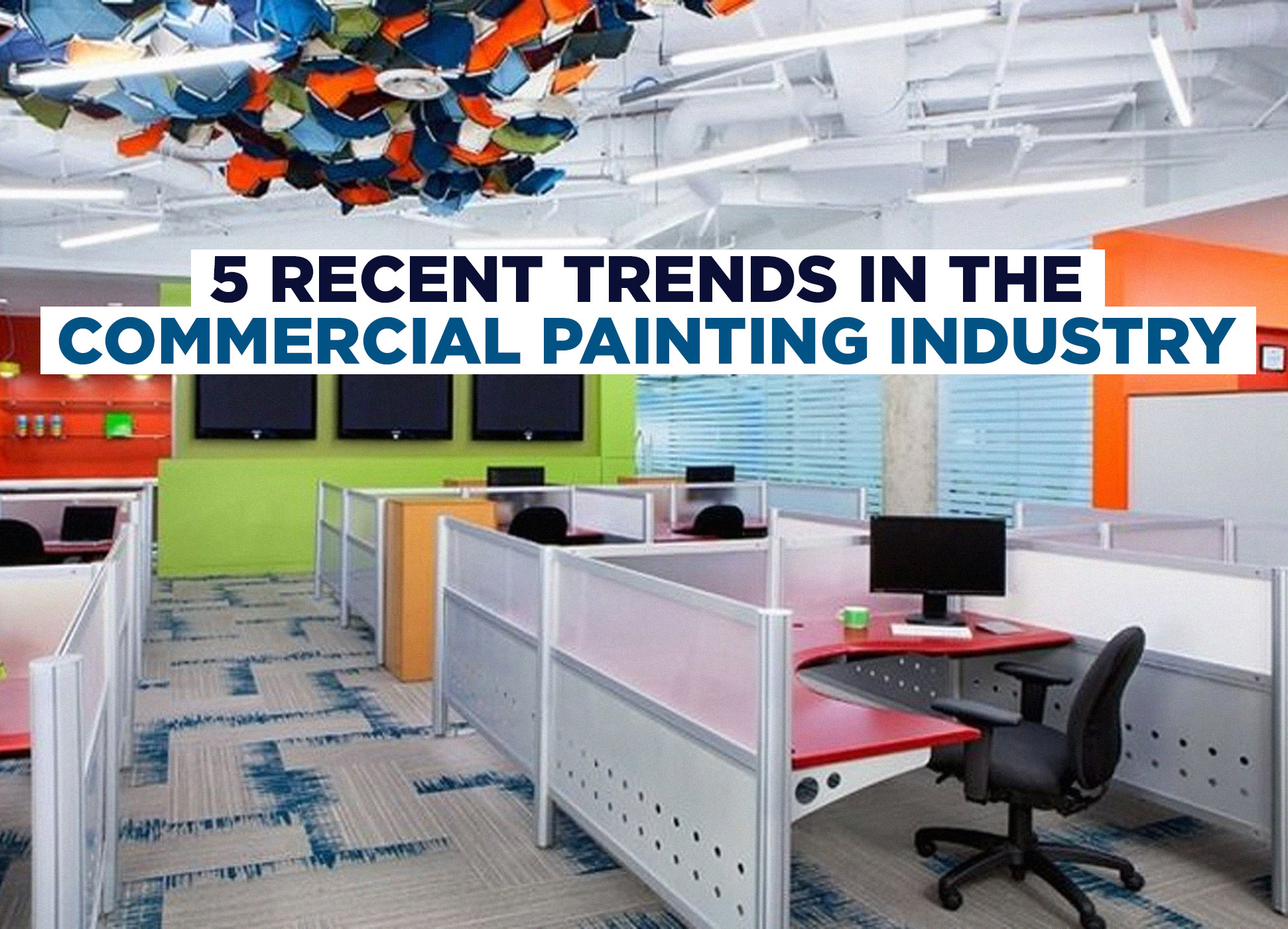
5 Recent Trends in the Commercial Painting Industry

Many people assume the commercial painting industry stays more or less the same most of the time, but this isn’t true. Commercial painting trends come and go, just like residential painting trends. After all, the paint on your walls sets the tone for your building, company, and brand.

If you own a commercial property, one of the ways that you can change the way your business is perceived by customers is by using smart painting practices. Below, we’ve listed five recent trends in the commercial painting industry. At First Nick Companies, we encourage you to consider these trends for your business.

Metallic Paint

Metallic paint makes quite a splash whether featured on an interior or exterior wall. We highly recommend using metallic paint as an accent color rather than a primary color on your walls.

A little goes a long way when it comes to metallic paint! It’s important to work with a commercial painting professional who knows how to choose the right metallic paint for your property. Metallic paint, when used properly, can make quite an impression. When badly applied, metallic paint can wear poorly.

Bold Colors

Draw the attention of your clients and potential clients with the use of bold, vibrant colors. Primary colors like red, yellow, and blue are perfect for attracting the eye.

Other shades like pink, purple, orange, and green can have a similar effect. When using bold colors, apply them against high-contrast backgrounds so that the paint will stand out. Work with your commercial painter to choose colors that will attract attention to your property.

Textured Walls

Textured walls add subtler visual interest than bold colors and metallic paint. Texture can be used in exterior and interior painting projects. It’s important to hire a professional to install texture, as poorly applied texturing can be distracting in a negative way. Poorly applied texture may also not last.

Gradient Effects

A gradient is a painting effect that transitions from one color to another. Gradients can be used to transition from black to white, blue to yellow, or from one neutral to another. The trick to achieving an attractive gradient is making the transition as smooth and seamless as possible. Do you want a gradient for your business? Work with a painting professional with experience.

Color Blocking

Color blocking is the art of painting large blocks of contrasting color on the walls of your building. Color blocking, like adding texture, is a subtle way to add visual interest to your commercial building.

Need Painting Services for Your Commercial Property?

The professionals at First Nick Companies can make your commercial property a sight to behold. Call today to schedule an appointment for a consultation or to get a quote with us.


Kosta Kritikos,

President

155-E New Boston Street | Woburn, MA 01801

O: 617.628.5130 x 1002| F: 781.305.3055 | C: 617.592.2290

www.firstnick.com | [email protected]Commercial operations look to painting professionals to provide superior interior and exterior work. Having a knowledgeable commercial painting company who is update on the latest trends and technologies ensures that clients have a pleasing visual appearance to the premises that withstands daily wear-and-tear. Due to the pandemic, recent trends had adapted to new business environments. Understanding the current industry trends allows painting companies and clients to prepare for future projects.

Green Technologies

More people are ware about how their purchasing power impacts the environment. This factor also holds true with commercial business operators, who are transforming their buildings to sustainable and eco-friendly facilities. They are revamping their entire projects to allow them to “go green” including the types of paints that are used on interior and exterior walls. The need for more sustainable painting options will increase. These sustainable products include paints with lower levels of volatile organic compounds (VOCs) that are harmful to both the environment and human health. By reducing the amount of the toxic chemical, commercial companies may improve the air quality in their facilities.

Beneficial Paint Additives

Manufacturers have become more aware of the impacts that their industries and products may cause to human health and painting operations. So they are changing the way the paints work by placing in additives that create benefits to commercial painting industries.

These additives may involve faster drying times, reduction of mildew growth, better moisture resistance, and improved paint adherence to surfaces. By modifying the way that paint behaves when applied in commercial settings, these additives may decrease the paint’s off-gassing aspects that could lead to poorer air quality while preventing harmful mold form forming. The additives also decrease the work time spent by commercial painters, allowing them to efficiently complete more projects in a range of environments.

Raw Material and Supply Chain Shortages

The availability of raw materials used to create paint have taken a massive hit. More people worked from home during quarantine, which led to them pursing more DIY projects. Exterior and interior painting projects created enormous customer demand on manufacturers who were left scrambling to fill the uptick in supply orders.

Unfortunately, supply simply could not keep up with demand as sourced raw materials became scarce as many of these materials came from global suppliers who experienced supply chain shortages also created by the pandemic. These shortages may lead to smaller quantities of available commercial paints. Commercial companies may find themselves restricted when trying to offer a variety of paints to their customers.

Price Increases

Paint prices have steadily increased an average of 2.5% every year. With the pandemic, these price increases were experienced global due to raw material shortages, supply chain issues, and the increase in customer demand. These issues may cause commercial painting projects to have higher price tags in the coming years.

Another factor that may also increase paint project costs also deals with the labor shortages. With smaller experienced crews available, commercial painting companies may increase prices as they may have to take on fewer projects or have their painters take on longer hours.

Top 5 Ways To Build a Bond with Your Team Members on a Construction Job

Construction projects, whether large or small, always go better when your team understands each other. Here at First Nick, we offer quality commercial painting and millwork services, and part of the reason that we’re able to deliver on time and on budget is because we understand each other and strive to create a cohesive work environment, no matter the location of the job. Here are our top five tips for building a bond with the construction team.

1. Facilitate Open Communication

The fastest way to have a job run over budget while experiencing delays is with a lack of communication. It’s of paramount importance that communication occurs during all stages of the job, from inception to completion, and this means that you need to talk to all the key players, including the general contractor, architects and engineers. Knowing the project timeline and when we’re needed onsite, allows us to plan, get measurements and buy materials so that we’re on the job site on time with all the needed materials and equipment.

2. Know Everyone’s Strengths and Weaknesses

Knowing what someone does well and what they still need to be trained on is essential. This allows you to put the right people on the job for the budget and the time frame. For us, it means utilizing the most skilled for fast projects and teaching new skills to new employees as time permits. After all, a strong team is only as good as its weakest link, and by utilizing the most experienced to train the least experienced, we are helping to develop our workforce and ensuring every job goes as expected.

3. Find and Develop Strong Leaders

Strong leaders communicate well. They are self-aware. They practice self-regulation of their emotions, and they understand the teams’ strengths and weaknesses. They also understand how to efficiently delegate tasks in order to maintain project momentum. Finding strong current and future leaders is imperative when it comes to project completion and the health and longevity of your business. The good news is that business owners can take a first-hand approach by locating team members with promise and offering them more responsibility and training.

4. Keep Tasks On Target with the Right Software

Having the right software and ensuring that everyone is trained on that software can help track the completion of individual tasks. By tracking task progress coordination between team members is easier because each person can make an informed decision about what they need to complete next to keep the project running smoothly.

5. Implement Safety and Emergency Protocols Early

Having defined safety and emergency protocols on a construction site is essential. This means having the right safety gear and checklists to ensure a safe work environment. If something does go wrong, all employees should be familiar with where the first aid kits are located and basic injury treatment until medical personnel arrive. To help keep team members safe, technology can also be implemented, like smart hardhats that can track when someone is at risk for heatstroke. Some even have GPS technology, which makes it easier to find workers on the construction site. Smart sensors worn on clothes can detect harmful gases and alert team members to dangerous areas.

By implementing these tips, you’ll ensure that your team is communicating well, getting the project completed and staying safe while on the construction site. To get your next commercial painting job complete, contact us today at 617-628-5130.


Kosta Kritikos,

President

155-E New Boston Street | Woburn, MA 01801

O: 617.628.5130 x 1002| F: 781.305.3055 | C: 617.592.2290

www.firstnick.com | [email protected]Commercial operations look to painting professionals to provide superior interior and exterior work. Having a knowledgeable commercial painting company who is update on the latest trends and technologies ensures that clients have a pleasing visual appearance to the premises that withstands daily wear-and-tear. Due to the pandemic, recent trends had adapted to new business environments. Understanding the current industry trends allows painting companies and clients to prepare for future projects.

Green Technologies

More people are ware about how their purchasing power impacts the environment. This factor also holds true with commercial business operators, who are transforming their buildings to sustainable and eco-friendly facilities. They are revamping their entire projects to allow them to “go green” including the types of paints that are used on interior and exterior walls. The need for more sustainable painting options will increase. These sustainable products include paints with lower levels of volatile organic compounds (VOCs) that are harmful to both the environment and human health. By reducing the amount of the toxic chemical, commercial companies may improve the air quality in their facilities.

Beneficial Paint Additives

Manufacturers have become more aware of the impacts that their industries and products may cause to human health and painting operations. So they are changing the way the paints work by placing in additives that create benefits to commercial painting industries.

These additives may involve faster drying times, reduction of mildew growth, better moisture resistance, and improved paint adherence to surfaces. By modifying the way that paint behaves when applied in commercial settings, these additives may decrease the paint’s off-gassing aspects that could lead to poorer air quality while preventing harmful mold form forming. The additives also decrease the work time spent by commercial painters, allowing them to efficiently complete more projects in a range of environments.

Raw Material and Supply Chain Shortages

The availability of raw materials used to create paint have taken a massive hit. More people worked from home during quarantine, which led to them pursing more DIY projects. Exterior and interior painting projects created enormous customer demand on manufacturers who were left scrambling to fill the uptick in supply orders.

Unfortunately, supply simply could not keep up with demand as sourced raw materials became scarce as many of these materials came from global suppliers who experienced supply chain shortages also created by the pandemic. These shortages may lead to smaller quantities of available commercial paints. Commercial companies may find themselves restricted when trying to offer a variety of paints to their customers.

Price Increases

Paint prices have steadily increased an average of 2.5% every year. With the pandemic, these price increases were experienced global due to raw material shortages, supply chain issues, and the increase in customer demand. These issues may cause commercial painting projects to have higher price tags in the coming years.

Another factor that may also increase paint project costs also deals with the labor shortages. With smaller experienced crews available, commercial painting companies may increase prices as they may have to take on fewer projects or have their painters take on longer hours.


Commercial Painting Industry Trends: What to Expect

Commercial operations look to painting professionals to provide superior interior and exterior work. Having a knowledgeable commercial painting company who is update on the latest trends and technologies ensures that clients have a pleasing visual appearance to the premises that withstands daily wear-and-tear. Due to the pandemic, recent trends had adapted to new business environments. Understanding the current industry trends allows painting companies and clients to prepare for future projects.

Green Technologies

More people are ware about how their purchasing power impacts the environment. This factor also holds true with commercial business operators, who are transforming their buildings to sustainable and eco-friendly facilities. They are revamping their entire projects to allow them to “go green” including the types of paints that are used on interior and exterior walls. The need for more sustainable painting options will increase. These sustainable products include paints with lower levels of volatile organic compounds (VOCs) that are harmful to both the environment and human health. By reducing the amount of the toxic chemical, commercial companies may improve the air quality in their facilities.

Beneficial Paint Additives

Manufacturers have become more aware of the impacts that their industries and products may cause to human health and painting operations. So they are changing the way the paints work by placing in additives that create benefits to commercial painting industries.

These additives may involve faster drying times, reduction of mildew growth, better moisture resistance, and improved paint adherence to surfaces. By modifying the way that paint behaves when applied in commercial settings, these additives may decrease the paint’s off-gassing aspects that could lead to poorer air quality while preventing harmful mold form forming. The additives also decrease the work time spent by commercial painters, allowing them to efficiently complete more projects in a range of environments.

Raw Material and Supply Chain Shortages

The availability of raw materials used to create paint have taken a massive hit. More people worked from home during quarantine, which led to them pursing more DIY projects. Exterior and interior painting projects created enormous customer demand on manufacturers who were left scrambling to fill the uptick in supply orders.

Unfortunately, supply simply could not keep up with demand as sourced raw materials became scarce as many of these materials came from global suppliers who experienced supply chain shortages also created by the pandemic. These shortages may lead to smaller quantities of available commercial paints. Commercial companies may find themselves restricted when trying to offer a variety of paints to their customers.

Price Increases

Paint prices have steadily increased an average of 2.5% every year. With the pandemic, these price increases were experienced global due to raw material shortages, supply chain issues, and the increase in customer demand. These issues may cause commercial painting projects to have higher price tags in the coming years.

Another factor that may also increase paint project costs also deals with the labor shortages. With smaller experienced crews available, commercial painting companies may increase prices as they may have to take on fewer projects or have their painters take on longer hours.


Kosta Kritikos,

President

155-E New Boston Street | Woburn, MA 01801

O: 617.628.5130 x 1002| F: 781.305.3055 | C: 617.592.2290

www.firstnick.com | [email protected]Commercial operations look to painting professionals to provide superior interior and exterior work. Having a knowledgeable commercial painting company who is update on the latest trends and technologies ensures that clients have a pleasing visual appearance to the premises that withstands daily wear-and-tear. Due to the pandemic, recent trends had adapted to new business environments. Understanding the current industry trends allows painting companies and clients to prepare for future projects.

Green Technologies

More people are ware about how their purchasing power impacts the environment. This factor also holds true with commercial business operators, who are transforming their buildings to sustainable and eco-friendly facilities. They are revamping their entire projects to allow them to “go green” including the types of paints that are used on interior and exterior walls. The need for more sustainable painting options will increase. These sustainable products include paints with lower levels of volatile organic compounds (VOCs) that are harmful to both the environment and human health. By reducing the amount of the toxic chemical, commercial companies may improve the air quality in their facilities.

Beneficial Paint Additives

Manufacturers have become more aware of the impacts that their industries and products may cause to human health and painting operations. So they are changing the way the paints work by placing in additives that create benefits to commercial painting industries.

These additives may involve faster drying times, reduction of mildew growth, better moisture resistance, and improved paint adherence to surfaces. By modifying the way that paint behaves when applied in commercial settings, these additives may decrease the paint’s off-gassing aspects that could lead to poorer air quality while preventing harmful mold form forming. The additives also decrease the work time spent by commercial painters, allowing them to efficiently complete more projects in a range of environments.

Raw Material and Supply Chain Shortages

The availability of raw materials used to create paint have taken a massive hit. More people worked from home during quarantine, which led to them pursing more DIY projects. Exterior and interior painting projects created enormous customer demand on manufacturers who were left scrambling to fill the uptick in supply orders.

Unfortunately, supply simply could not keep up with demand as sourced raw materials became scarce as many of these materials came from global suppliers who experienced supply chain shortages also created by the pandemic. These shortages may lead to smaller quantities of available commercial paints. Commercial companies may find themselves restricted when trying to offer a variety of paints to their customers.

Price Increases

Paint prices have steadily increased an average of 2.5% every year. With the pandemic, these price increases were experienced global due to raw material shortages, supply chain issues, and the increase in customer demand. These issues may cause commercial painting projects to have higher price tags in the coming years.

Another factor that may also increase paint project costs also deals with the labor shortages. With smaller experienced crews available, commercial painting companies may increase prices as they may have to take on fewer projects or have their painters take on longer hours.


5 Tips for a Successful ToolBox Agenda

Toolbox talks with your team members are a great way to ensure that the whole team is on the same page about a project or safety issues involved on a site. They provide an avenue to give safety reminders to your team and set the stage for the culture of not only a project but the company as a whole.

Setting the agenda for a toolbox talk may seem straightforward. However, a little additional planning can go a long way. You can use the tips below to create your agenda and deliver a helpful toolbox talk.

  1. Find topics that are relevant to the project.

Having a general safety meeting is great, but it often isn’t helpful. Instead, you should make efforts to ensure that your toolbox talk is relevant to the project at hand.

Instead of just “going through the motions” because you have to, really think about the injuries or other issues that could come up on a project to create your agenda. Keeping the topics relevant will not only engage your team more but will also help avoid injuries that might actually happen on that project.

  1. Know your audience.

Every person receives and processes information a bit differently. Knowing and understanding your team will help you have a better talk because you will know how to present the information. For example, you might want to ask the following questions.

  • Would a handout on this topic be helpful?
  • Would examples be beneficial?
  • Should I ask someone else to present the information to keep the meeting interesting?
  • Should questions and clarifications be encouraged at the meeting or at a later time?

Speaking to your team in a method and language they will understand is absolutely vital for an effective toolbox meeting.

  1. Keep it brief.

Most people do not enjoy going to toolbox meetings, so keeping your agenda focused and straightforward will be very helpful. It will also help you get back to work faster—just be sure you are not keeping it so brief that it is ignored or ineffective.

Pick one or two major topics to hit and move on. Necessary information should be presented, and if there are specific details that you want to convey, you could use a handout or schedule a follow-up meeting.

  1. Consider using hands-on examples.

Many people learn better with demonstrations or hands-on lessons. As part of your agenda, consider incorporating a way for your team to try out a method or address a hypothetical situation. When you ask your team to think critically, it helps them remember the lessons in the future.

  1. Divide up topics by team.

Some teams do not need to know about certain aspects of the project or safety requirements. Consider dividing up your toolbox topics so that only the most relevant information is provided to a group of people. That can mean having separate meetings for certain people, or you could break out the large group into smaller activity groups to focus on specifics for their job.

Kosta Kritikos,

President

155-E New Boston Street | Woburn, MA 01801

O: 617.628.5130 x 1002| F: 781.305.3055 | C: 617.592.2290

www.firstnick.com | [email protected]

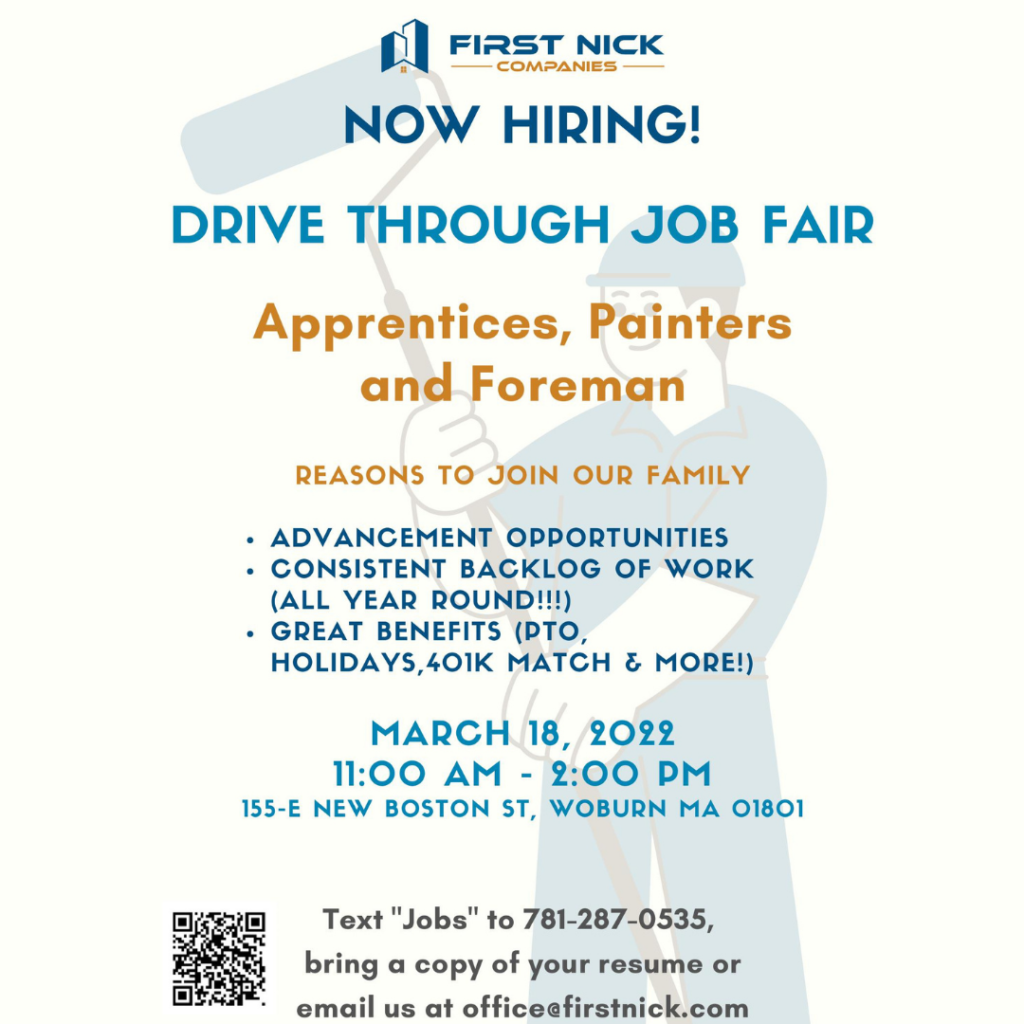
Join Us For Our Job Fair

Come through to the First Nick family! We’ll be having a drive-through job fair on March 18 and we’d love to see you there. Great opportunities are waiting for you!

Wearables in Construction – What will we actually see in use in 2022?

“Wearables” has been one of the biggest buzzwords in the construction industry over the past several years, as contractors and owners alike see this sort of technology as a means of significantly improving safety records and positively impacting overall project site conditions.

According to the U.S. Chamber of Commerce, it’s estimated that only about 6 percent of all construction firms were deploying wearable technology for their workers in 2018. However, that number is expected to significantly increase to more than 20 percent by this year, a sign that this type of technology has a future in the market. Furthermore, the same report indicates that an overwhelming number of contractors – 83 percent – believe that wearables will improve on-site safety.

Wearables do have some obstacles in the industry. While there’s certainly a cost component that firms need to budget for, perhaps the biggest obstacle is worker hesitancy. Some wearables have the ability to track location and other advanced data that some may see as invasive. Even so, trials and implementation of wearable technology is only likely to continue on jobsites. In this post, we’ll take a look at several wearable technologies to look out for in 2022.

Wearables in 2022: Three Technologies to Watch For

The Smart Hardhat

One wearable that’s already been implemented on various jobsites throughout the country is the smart hardhat. Hardhats are pieces of PPE that already must be worn on the jobsite, and the addition of “smart” technology is simply designed to make them more functional. Some smart hardhats are able to sense vital signs to warn workers of things like overexertion, heat stroke and microsleep, among others. Others use GPS technology to track where workers are on a jobsite so they can be reached faster in the event of an emergency. Some even allow workers to communicate hands-free with supervisors and other workers.

Robotic Assist Suits

No, we’re not talking about workers stepping into Robocop-like armor on the jobsite. Robotic assist suits are exoskeleton-like and worn on a certain part of the body to help make manual tasks easier and safer. For instance, a worker that’s installing ceilings might wear a robotic assist suit over their shoulders that uses hydraulic technology to help with overhead lifting. There are also assist suits for the legs and arms to help with manual activity that strains these areas of the body. These suits are designed to limit worker fatigue and reduce on-site injuries.

Smart Monitoring Devices

These are among the most minimally invasive of all wearables currently used on jobsites today. These are small devices that simply clip onto a safety vest, can be worn as a wristband or even clipped onto a belt loop. They work to improve contact tracing and can also detect any harmful gases that may be present in a certain area of the site. Some monitors are also able to track health metrics like heart rate, body temperature and more.

Kosta Kritikos,

President

155-E New Boston Street | Woburn, MA 01801

O: 617.628.5130 x 1002| F: 781.305.3055 | C: 617.592.2290

www.firstnick.com | [email protected]

A Must See Christmas @ First Nick!🎄🎅

https://www.youtube.com/watch?v=iyJCfpuFK0U

This is what makes everything we do enjoyable!! There is no greater joy than the holiday season at First Nick Companies. This video says it all, about us and our clients! Smiles and joy all around!! We thank you for everything you do for us as a company and we wish you all the best!!!! As Santa First Nick says: Merry Christmas to all and to all a Happy and Healthy New Year!!!! See you all next year. Ho ho hooooooo🎅🎅🎅🎅🎅

Kosta Kritikos,

President

155-E New Boston Street | Woburn, MA 01801

O: 617.628.5130 x 1002| F: 781.305.3055 | C: 617.592.2290

www.firstnick.com | [email protected]