Top 5 Ways To Build a Bond with Your Team Members on a Construction Job

Construction projects, whether large or small, always go better when your team understands each other. Here at First Nick, we offer quality commercial painting and millwork services, and part of the reason that we’re able to deliver on time and on budget is because we understand each other and strive to create a cohesive work environment, no matter the location of the job. Here are our top five tips for building a bond with the construction team.

1. Facilitate Open Communication

The fastest way to have a job run over budget while experiencing delays is with a lack of communication. It’s of paramount importance that communication occurs during all stages of the job, from inception to completion, and this means that you need to talk to all the key players, including the general contractor, architects and engineers. Knowing the project timeline and when we’re needed onsite, allows us to plan, get measurements and buy materials so that we’re on the job site on time with all the needed materials and equipment.

2. Know Everyone’s Strengths and Weaknesses

Knowing what someone does well and what they still need to be trained on is essential. This allows you to put the right people on the job for the budget and the time frame. For us, it means utilizing the most skilled for fast projects and teaching new skills to new employees as time permits. After all, a strong team is only as good as its weakest link, and by utilizing the most experienced to train the least experienced, we are helping to develop our workforce and ensuring every job goes as expected.

3. Find and Develop Strong Leaders

Strong leaders communicate well. They are self-aware. They practice self-regulation of their emotions, and they understand the teams’ strengths and weaknesses. They also understand how to efficiently delegate tasks in order to maintain project momentum. Finding strong current and future leaders is imperative when it comes to project completion and the health and longevity of your business. The good news is that business owners can take a first-hand approach by locating team members with promise and offering them more responsibility and training.

4. Keep Tasks On Target with the Right Software

Having the right software and ensuring that everyone is trained on that software can help track the completion of individual tasks. By tracking task progress coordination between team members is easier because each person can make an informed decision about what they need to complete next to keep the project running smoothly.

5. Implement Safety and Emergency Protocols Early

Having defined safety and emergency protocols on a construction site is essential. This means having the right safety gear and checklists to ensure a safe work environment. If something does go wrong, all employees should be familiar with where the first aid kits are located and basic injury treatment until medical personnel arrive. To help keep team members safe, technology can also be implemented, like smart hardhats that can track when someone is at risk for heatstroke. Some even have GPS technology, which makes it easier to find workers on the construction site. Smart sensors worn on clothes can detect harmful gases and alert team members to dangerous areas.

By implementing these tips, you’ll ensure that your team is communicating well, getting the project completed and staying safe while on the construction site. To get your next commercial painting job complete, contact us today at 617-628-5130.


Kosta Kritikos,

President

155-E New Boston Street | Woburn, MA 01801

O: 617.628.5130 x 1002| F: 781.305.3055 | C: 617.592.2290

www.firstnick.com | [email protected]Commercial operations look to painting professionals to provide superior interior and exterior work. Having a knowledgeable commercial painting company who is update on the latest trends and technologies ensures that clients have a pleasing visual appearance to the premises that withstands daily wear-and-tear. Due to the pandemic, recent trends had adapted to new business environments. Understanding the current industry trends allows painting companies and clients to prepare for future projects.

Green Technologies

More people are ware about how their purchasing power impacts the environment. This factor also holds true with commercial business operators, who are transforming their buildings to sustainable and eco-friendly facilities. They are revamping their entire projects to allow them to “go green” including the types of paints that are used on interior and exterior walls. The need for more sustainable painting options will increase. These sustainable products include paints with lower levels of volatile organic compounds (VOCs) that are harmful to both the environment and human health. By reducing the amount of the toxic chemical, commercial companies may improve the air quality in their facilities.

Beneficial Paint Additives

Manufacturers have become more aware of the impacts that their industries and products may cause to human health and painting operations. So they are changing the way the paints work by placing in additives that create benefits to commercial painting industries.

These additives may involve faster drying times, reduction of mildew growth, better moisture resistance, and improved paint adherence to surfaces. By modifying the way that paint behaves when applied in commercial settings, these additives may decrease the paint’s off-gassing aspects that could lead to poorer air quality while preventing harmful mold form forming. The additives also decrease the work time spent by commercial painters, allowing them to efficiently complete more projects in a range of environments.

Raw Material and Supply Chain Shortages

The availability of raw materials used to create paint have taken a massive hit. More people worked from home during quarantine, which led to them pursing more DIY projects. Exterior and interior painting projects created enormous customer demand on manufacturers who were left scrambling to fill the uptick in supply orders.

Unfortunately, supply simply could not keep up with demand as sourced raw materials became scarce as many of these materials came from global suppliers who experienced supply chain shortages also created by the pandemic. These shortages may lead to smaller quantities of available commercial paints. Commercial companies may find themselves restricted when trying to offer a variety of paints to their customers.

Price Increases

Paint prices have steadily increased an average of 2.5% every year. With the pandemic, these price increases were experienced global due to raw material shortages, supply chain issues, and the increase in customer demand. These issues may cause commercial painting projects to have higher price tags in the coming years.

Another factor that may also increase paint project costs also deals with the labor shortages. With smaller experienced crews available, commercial painting companies may increase prices as they may have to take on fewer projects or have their painters take on longer hours.


 

Commercial Painting Industry Trends: What to Expect

Commercial operations look to painting professionals to provide superior interior and exterior work. Having a knowledgeable commercial painting company who is update on the latest trends and technologies ensures that clients have a pleasing visual appearance to the premises that withstands daily wear-and-tear. Due to the pandemic, recent trends had adapted to new business environments. Understanding the current industry trends allows painting companies and clients to prepare for future projects.

Green Technologies

More people are ware about how their purchasing power impacts the environment. This factor also holds true with commercial business operators, who are transforming their buildings to sustainable and eco-friendly facilities. They are revamping their entire projects to allow them to “go green” including the types of paints that are used on interior and exterior walls. The need for more sustainable painting options will increase. These sustainable products include paints with lower levels of volatile organic compounds (VOCs) that are harmful to both the environment and human health. By reducing the amount of the toxic chemical, commercial companies may improve the air quality in their facilities.

Beneficial Paint Additives

Manufacturers have become more aware of the impacts that their industries and products may cause to human health and painting operations. So they are changing the way the paints work by placing in additives that create benefits to commercial painting industries.

These additives may involve faster drying times, reduction of mildew growth, better moisture resistance, and improved paint adherence to surfaces. By modifying the way that paint behaves when applied in commercial settings, these additives may decrease the paint’s off-gassing aspects that could lead to poorer air quality while preventing harmful mold form forming. The additives also decrease the work time spent by commercial painters, allowing them to efficiently complete more projects in a range of environments.

Raw Material and Supply Chain Shortages

The availability of raw materials used to create paint have taken a massive hit. More people worked from home during quarantine, which led to them pursing more DIY projects. Exterior and interior painting projects created enormous customer demand on manufacturers who were left scrambling to fill the uptick in supply orders.

Unfortunately, supply simply could not keep up with demand as sourced raw materials became scarce as many of these materials came from global suppliers who experienced supply chain shortages also created by the pandemic. These shortages may lead to smaller quantities of available commercial paints. Commercial companies may find themselves restricted when trying to offer a variety of paints to their customers.

Price Increases

Paint prices have steadily increased an average of 2.5% every year. With the pandemic, these price increases were experienced global due to raw material shortages, supply chain issues, and the increase in customer demand. These issues may cause commercial painting projects to have higher price tags in the coming years.

Another factor that may also increase paint project costs also deals with the labor shortages. With smaller experienced crews available, commercial painting companies may increase prices as they may have to take on fewer projects or have their painters take on longer hours.


Kosta Kritikos,

President

155-E New Boston Street | Woburn, MA 01801

O: 617.628.5130 x 1002| F: 781.305.3055 | C: 617.592.2290

www.firstnick.com | [email protected]Commercial operations look to painting professionals to provide superior interior and exterior work. Having a knowledgeable commercial painting company who is update on the latest trends and technologies ensures that clients have a pleasing visual appearance to the premises that withstands daily wear-and-tear. Due to the pandemic, recent trends had adapted to new business environments. Understanding the current industry trends allows painting companies and clients to prepare for future projects.

Green Technologies

More people are ware about how their purchasing power impacts the environment. This factor also holds true with commercial business operators, who are transforming their buildings to sustainable and eco-friendly facilities. They are revamping their entire projects to allow them to “go green” including the types of paints that are used on interior and exterior walls. The need for more sustainable painting options will increase. These sustainable products include paints with lower levels of volatile organic compounds (VOCs) that are harmful to both the environment and human health. By reducing the amount of the toxic chemical, commercial companies may improve the air quality in their facilities.

Beneficial Paint Additives

Manufacturers have become more aware of the impacts that their industries and products may cause to human health and painting operations. So they are changing the way the paints work by placing in additives that create benefits to commercial painting industries.

These additives may involve faster drying times, reduction of mildew growth, better moisture resistance, and improved paint adherence to surfaces. By modifying the way that paint behaves when applied in commercial settings, these additives may decrease the paint’s off-gassing aspects that could lead to poorer air quality while preventing harmful mold form forming. The additives also decrease the work time spent by commercial painters, allowing them to efficiently complete more projects in a range of environments.

Raw Material and Supply Chain Shortages

The availability of raw materials used to create paint have taken a massive hit. More people worked from home during quarantine, which led to them pursing more DIY projects. Exterior and interior painting projects created enormous customer demand on manufacturers who were left scrambling to fill the uptick in supply orders.

Unfortunately, supply simply could not keep up with demand as sourced raw materials became scarce as many of these materials came from global suppliers who experienced supply chain shortages also created by the pandemic. These shortages may lead to smaller quantities of available commercial paints. Commercial companies may find themselves restricted when trying to offer a variety of paints to their customers.

Price Increases

Paint prices have steadily increased an average of 2.5% every year. With the pandemic, these price increases were experienced global due to raw material shortages, supply chain issues, and the increase in customer demand. These issues may cause commercial painting projects to have higher price tags in the coming years.

Another factor that may also increase paint project costs also deals with the labor shortages. With smaller experienced crews available, commercial painting companies may increase prices as they may have to take on fewer projects or have their painters take on longer hours.
 

5 Tips for a Successful ToolBox Agenda

Toolbox talks with your team members are a great way to ensure that the whole team is on the same page about a project or safety issues involved on a site. They provide an avenue to give safety reminders to your team and set the stage for the culture of not only a project but the company as a whole.

Setting the agenda for a toolbox talk may seem straightforward. However, a little additional planning can go a long way. You can use the tips below to create your agenda and deliver a helpful toolbox talk.

  1. Find topics that are relevant to the project.

Having a general safety meeting is great, but it often isn’t helpful. Instead, you should make efforts to ensure that your toolbox talk is relevant to the project at hand.

Instead of just “going through the motions” because you have to, really think about the injuries or other issues that could come up on a project to create your agenda. Keeping the topics relevant will not only engage your team more but will also help avoid injuries that might actually happen on that project.

  1. Know your audience.

Every person receives and processes information a bit differently. Knowing and understanding your team will help you have a better talk because you will know how to present the information. For example, you might want to ask the following questions.

  • Would a handout on this topic be helpful?
  • Would examples be beneficial?
  • Should I ask someone else to present the information to keep the meeting interesting?
  • Should questions and clarifications be encouraged at the meeting or at a later time?

Speaking to your team in a method and language they will understand is absolutely vital for an effective toolbox meeting.

  1. Keep it brief.

Most people do not enjoy going to toolbox meetings, so keeping your agenda focused and straightforward will be very helpful. It will also help you get back to work faster—just be sure you are not keeping it so brief that it is ignored or ineffective.

Pick one or two major topics to hit and move on. Necessary information should be presented, and if there are specific details that you want to convey, you could use a handout or schedule a follow-up meeting.

  1. Consider using hands-on examples.

Many people learn better with demonstrations or hands-on lessons. As part of your agenda, consider incorporating a way for your team to try out a method or address a hypothetical situation. When you ask your team to think critically, it helps them remember the lessons in the future.

  1. Divide up topics by team.

Some teams do not need to know about certain aspects of the project or safety requirements. Consider dividing up your toolbox topics so that only the most relevant information is provided to a group of people. That can mean having separate meetings for certain people, or you could break out the large group into smaller activity groups to focus on specifics for their job.

Kosta Kritikos,

President

155-E New Boston Street | Woburn, MA 01801

O: 617.628.5130 x 1002| F: 781.305.3055 | C: 617.592.2290

www.firstnick.com | [email protected]

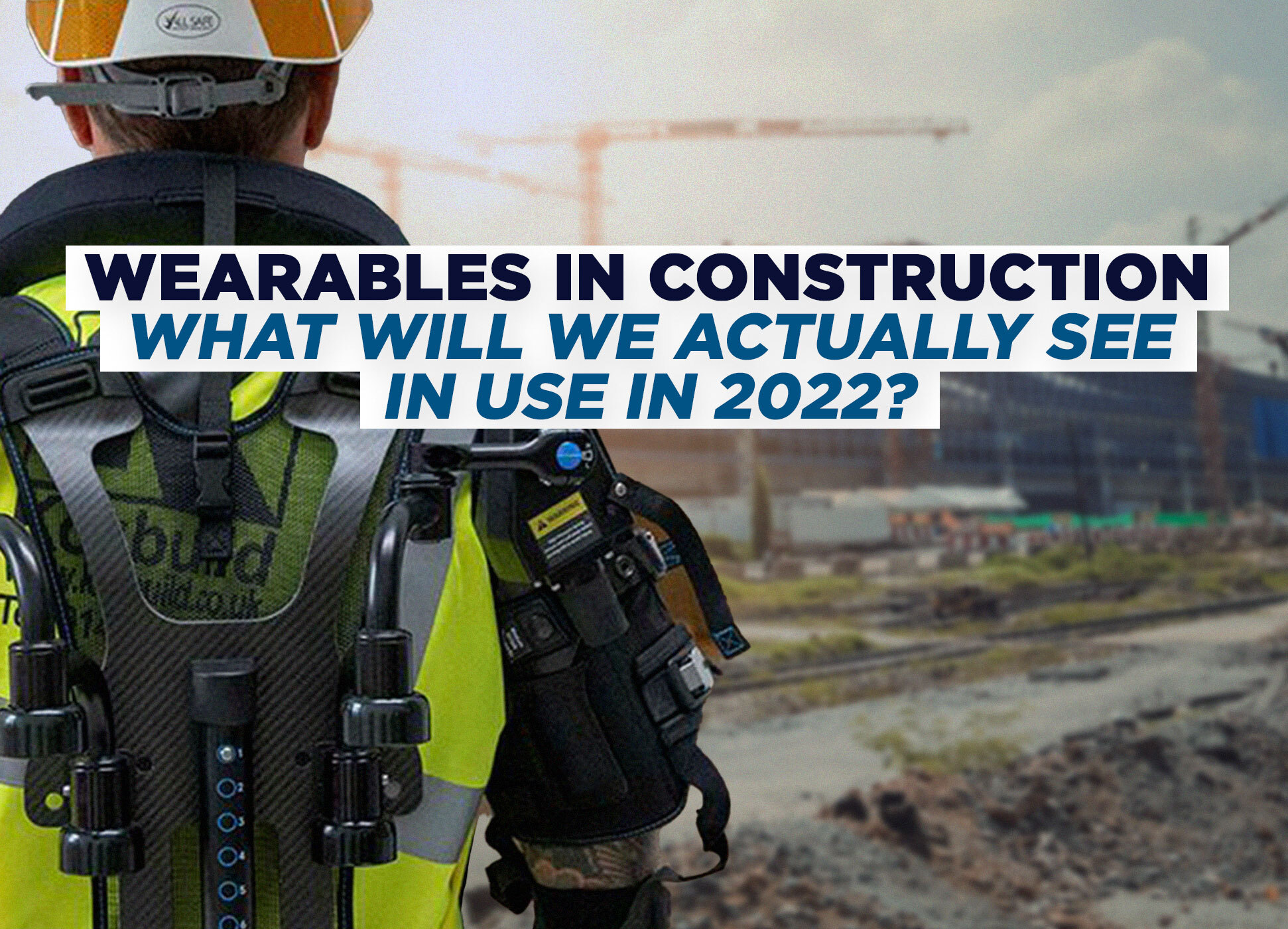
Wearables in Construction – What will we actually see in use in 2022?

“Wearables” has been one of the biggest buzzwords in the construction industry over the past several years, as contractors and owners alike see this sort of technology as a means of significantly improving safety records and positively impacting overall project site conditions.

According to the U.S. Chamber of Commerce, it’s estimated that only about 6 percent of all construction firms were deploying wearable technology for their workers in 2018. However, that number is expected to significantly increase to more than 20 percent by this year, a sign that this type of technology has a future in the market. Furthermore, the same report indicates that an overwhelming number of contractors – 83 percent – believe that wearables will improve on-site safety.

Wearables do have some obstacles in the industry. While there’s certainly a cost component that firms need to budget for, perhaps the biggest obstacle is worker hesitancy. Some wearables have the ability to track location and other advanced data that some may see as invasive. Even so, trials and implementation of wearable technology is only likely to continue on jobsites. In this post, we’ll take a look at several wearable technologies to look out for in 2022.

Wearables in 2022: Three Technologies to Watch For

The Smart Hardhat

One wearable that’s already been implemented on various jobsites throughout the country is the smart hardhat. Hardhats are pieces of PPE that already must be worn on the jobsite, and the addition of “smart” technology is simply designed to make them more functional. Some smart hardhats are able to sense vital signs to warn workers of things like overexertion, heat stroke and microsleep, among others. Others use GPS technology to track where workers are on a jobsite so they can be reached faster in the event of an emergency. Some even allow workers to communicate hands-free with supervisors and other workers.

Robotic Assist Suits

No, we’re not talking about workers stepping into Robocop-like armor on the jobsite. Robotic assist suits are exoskeleton-like and worn on a certain part of the body to help make manual tasks easier and safer. For instance, a worker that’s installing ceilings might wear a robotic assist suit over their shoulders that uses hydraulic technology to help with overhead lifting. There are also assist suits for the legs and arms to help with manual activity that strains these areas of the body. These suits are designed to limit worker fatigue and reduce on-site injuries.

Smart Monitoring Devices

These are among the most minimally invasive of all wearables currently used on jobsites today. These are small devices that simply clip onto a safety vest, can be worn as a wristband or even clipped onto a belt loop. They work to improve contact tracing and can also detect any harmful gases that may be present in a certain area of the site. Some monitors are also able to track health metrics like heart rate, body temperature and more.

Kosta Kritikos,

President

155-E New Boston Street | Woburn, MA 01801

O: 617.628.5130 x 1002| F: 781.305.3055 | C: 617.592.2290

www.firstnick.com | [email protected]

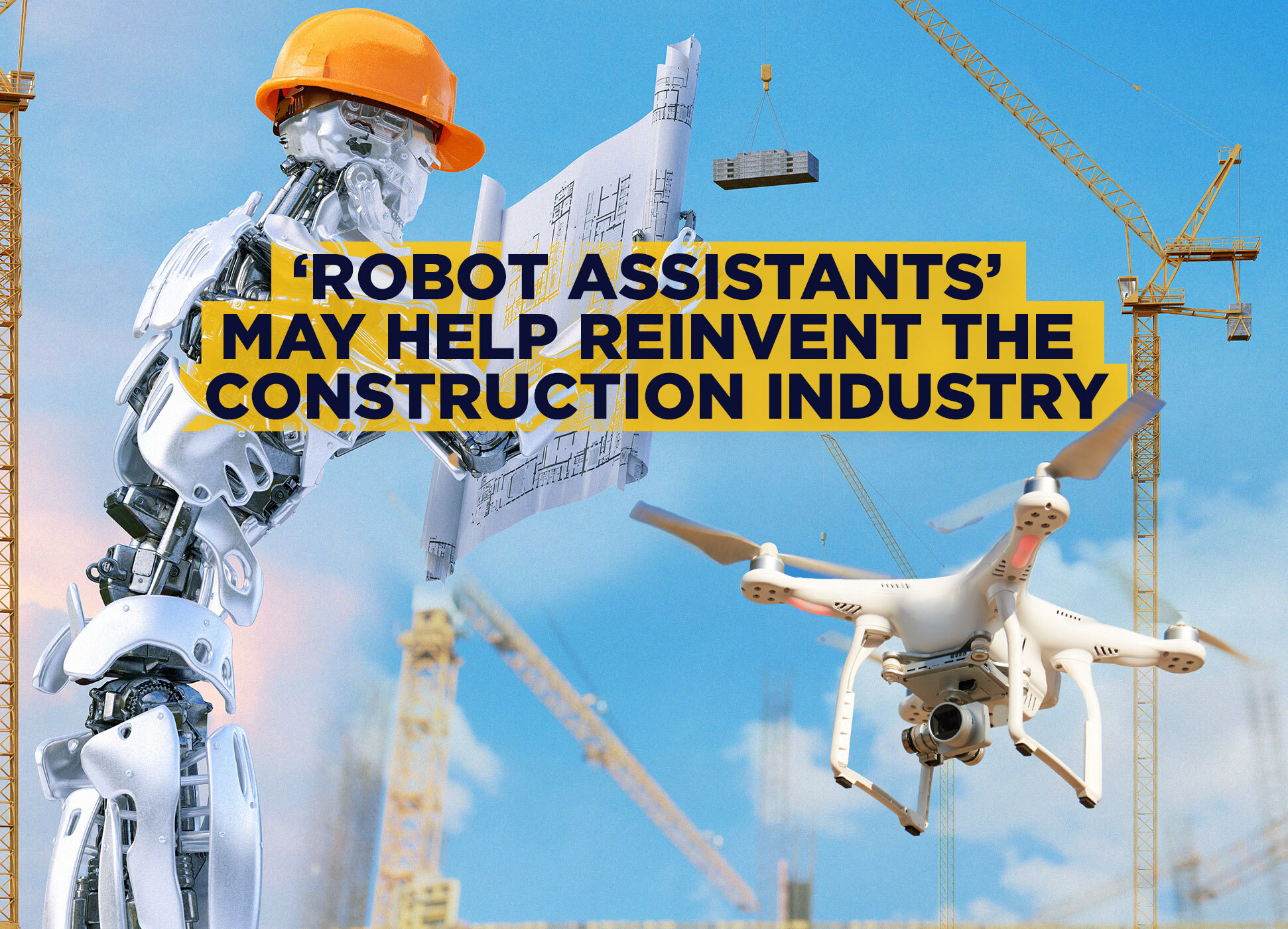
‘Robot Assistants’ May Help Reinvent The Construction Industry

http://‘Robot%20Assistants’%20May%20Help%20Reinvent%20The%20Construction%20Industry

It is projected that robots would make the worldwide construction sector safer and more appealing to workers, hence alleviating a labor shortage in the United States of America. Construction has long been considered to be one of the most dangerous and inefficient human pursuits, particularly in developing countries. Its productivity falls substantially behind that of other sectors of the economy, and it struggles to recruit employees to professions that are frequently seen as physically demanding.

Automation and robotics on construction sites, according to Carol Menassa, associate professor of civil and environmental engineering at the College of Engineering, are essential if the construction industry is to benefit from the productivity gains that have reshaped other industries, such as manufacturing.

As she explained, “Construction is a far more dynamic and unpredictable environment than a factory, which is why we are attempting to redefine the balance between human and robot labor.” “The coexistence of humans and robots is essential; in fact, that is the foundation of what we’re doing right now.”

A new three-year initiative will match individuals with “interactive robot assistants,” who will be able to learn from humans by observing and listening to them, much like human apprentices. Construction labor might become less hazardous and physically demanding for people in the future, while still allowing us to make decisions and solve issues.

A machine learning system that will enable natural interaction-based learning is expected to be delivered by the conclusion of the project, as well as a set of publicly available instructional tools that will teach human workers how to utilize such systems efficiently.

Using this futuristic vision of construction, robots would perform physically demanding activities such as lifting bricks or moving sheets of drywall, while humans might determine the best approach to complete a certain work or make alterations when the final structure deviates from the original design. Currently, the research team is working on developing an experimental system that would allow people and robots to collaborate on simple activities such as hanging drywall panels and installing ceiling tiles.

In order to operate the robot, the system creates a virtual reality duplicate of the working site. Through the use of a virtual reality headset, the human operator interacts with the workplace, which seems to be a video game-like replica. Using a joystick-style controller and a pointer, the person instructs the system on what has to be done, such as picking up a sheet of drywall and aligning it on a studded wall, and the system executes the instructions. Based on these instructions, the robot devises the most efficient approach to do the task and creates a series of movements known as a motion plan to carry out the task. It then shows the operator its plan on a virtual replica of the task location that is shown on the computer screen.

At this stage, it is up to the human to assess whether or not the suggested strategy would accomplish the desired result. Depending on their preferences, they can either approve the plan as is or demand an entirely new plan. When a strategy has been agreed upon, the human instructs the robot to carry it out while simultaneously watching in near-real time as the robot completes the task.

Since in the future, human and robot employees may not always be in the same physical place, having a virtual reality experience will be essential for them. Workers may learn how their virtual orders translate into real action by combining on-site and virtual training. They can also learn how to collaborate with a robotic assistant to adapt when things don’t go as planned.

Kosta Kritikos,

President

155-E New Boston Street | Woburn, MA 01801

O: 617.628.5130 x 1002| F: 781.305.3055 | C: 617.592.2290

www.firstnick.com | [email protected]


4 Ways Technology Will Disrupt Construction

https://www.youtube.com/watch?v=l9oLbkZX6zI

When it comes to building a construction industry that is stronger and better than before, one of the biggest considerations is technology. In the past, many projects were conceived and designed on paper. Now, it’s possible to do all of that work right from the computer. But that’s not the only way technology is helping the construction industry become better and more advanced.

There is also the use of drone footage, apps with augmented reality, and other areas where technology is raising the bar. Not only do these options mean it’s easier and faster to make changes and adjustments to a project, but it’s also simpler to share the information with others, and see what’s really taking place at a site. Here’s what to know about how technology is building a better construction industry.

Technology Makes Things Faster and Easier

Among the biggest advantages of technology when it comes to the construction industry, is that it makes the process of conceptualizing and designing faster and easier than ever before. From computer-aided programs, to 3-D modeling and augmented reality apps, the construction industry will never be the same again.

There are a lot of behind-the-scenes efforts that require skills in science, math, and art, among other fields. The more easily buildings can be designed and developed, the faster they can start being constructed — and the more they will look the way they need to, so changes do not have to be made during construction.

Budgeting and Estimating Have Upgraded

Budgeting and estimating project costs are big parts of the construction industry. It’s not possible to be 100 percent accurate with the costs, because prices can and do change. There may also be problems that have to be worked through, or changes that will be requested during the process. However, with technology, the idea of working through a budget and an estimate is less complicated. It’s easier to see where all the money will go, and what kinds of issues may arise.

Apps and Drones are Changing the Game

Now, it is possible to use an app to see what a finished project will look like. From putting a sofa in the living room, to adding another floor onto a building, companies and individuals can see what they will get with completion. The use of drones gives developers new ideas, too, because the aerial view of the construction site is a great way to reveal areas where something may have been overlooked during the planning phase.

When a construction company uses drones to get footage, apps to augment reality and create the idea of a finished project, and 3-D modeling to see the building in real time, the construction industry can provide more to anyone who is looking for a home, office, or other building.

Construction Will Continue to Evolve

The construction industry isn’t stagnate. It continues to evolve and change. Technology has allowed that change to occur more rapidly, which is benefiting those in the trade and also those who want and need construction projects completed. Currently, software and technology that’s specific to the construction industry is an option, and the list of what it provides continues to grow.

Kosta Kritikos,

President

155-E New Boston Street | Woburn, MA 01801

O: 617.628.5130 x 1002| F: 781.305.3055 | C: 617.592.2290

www.firstnick.com | [email protected]


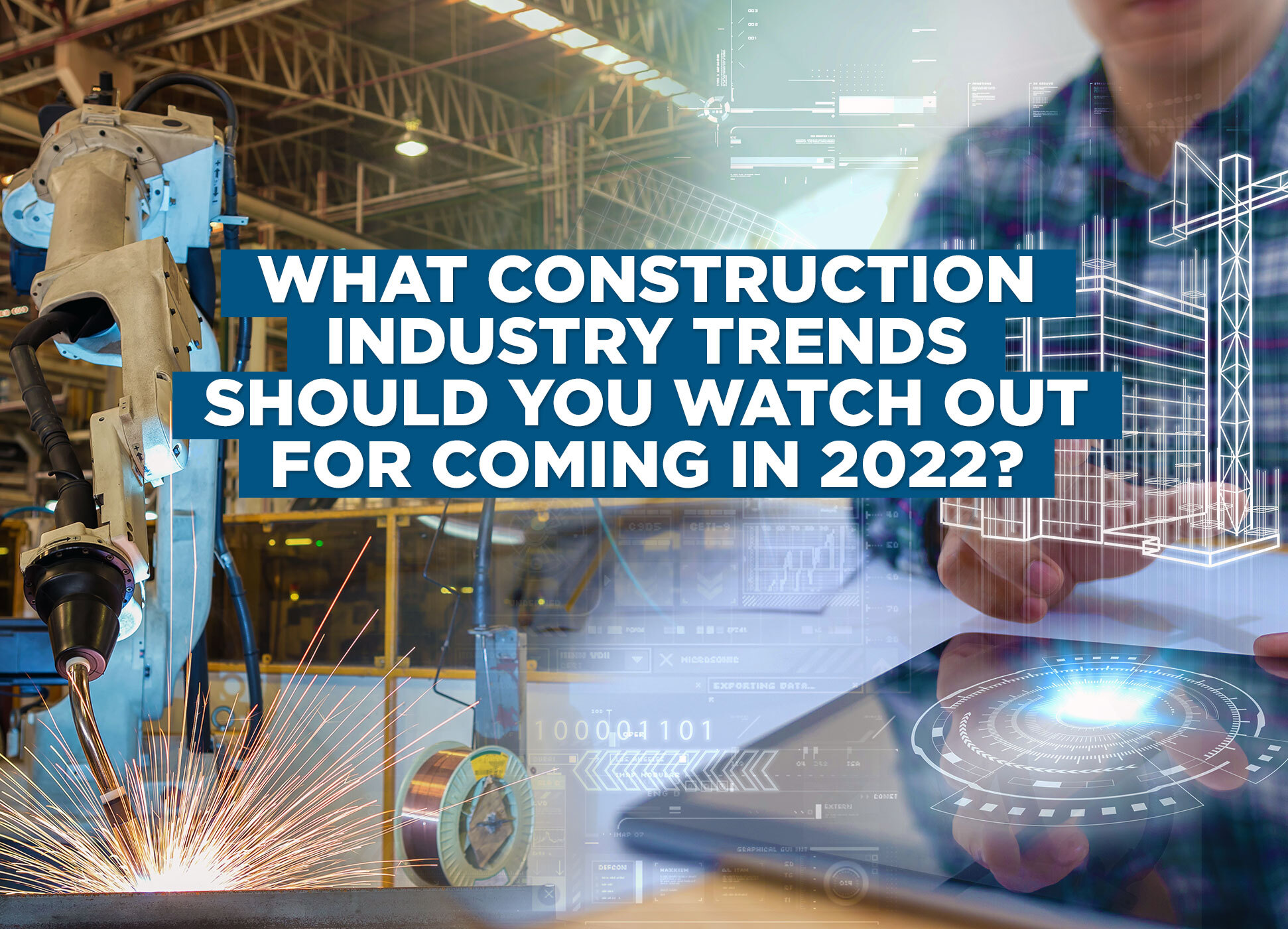
What Construction Industry Trends Should You Watch Out For Coming in 2022?

https://www.youtube.com/watch?v=7SmAd1voqek

Though 2020 was a rough year, 2021 has seen significant recovery for construction, especially in infrastructure and residential. But what will next year bring? Here’s a quick review of the top trends for 2022.

What construction industry trends will 2022 bring?

  1. Smart, connected cities

Cities are changing to improve environmental sustainability, quality of life and improved economy. Smart cities are increasing the complexity of the construction process, from incorporating pedestrian sensors to adding WiFi-linked lighting. This requires contractors to improve technical knowledge to keep up. Take time to evaluate the skills and equipment needed for smart city development and make plans for this shift.

  1. Increased efficiency pressure

Digital transformation is changing businesses to more agile, flexible entities, so in construction, net profits will continue to be slim. Combined with volatile building materials markets, optimization is the best bet for many companies. It’s achievable by prioritizing cost-saving opportunities and efficiencies while considering carefully how fluctuating costs impact budgets, estimates, and bids and plan accordingly.

  1. New construction materials

To improve profitability while demonstrating environmental sustainability, you’ll need to use cost-effective materials that reduce your overall costs. Potential improvements to look out for include the use of recycled materials, engineered cementitious composites, engineered timer, 3D-printed materials, and similar developments. Modularization and prefabrication of assemblies allow reduction in material and shipping costs.

  1. Declining workforce

Though a shortage of labor is not a new trend, the old problem is getting worse. Though construction job openings have increased by 50%, new hires is only 14%, creating a significant labor shortage that can impact customer satisfaction. Investing in your human resources department can help ensure that you’re retaining good workers while finding new workers effectively. You can also economize effort using workflow automation, construction equipment investment, create apprenticeships, provide bonuses, give competitive wages, and similar approaches.

  1. 3D printing grows significantly

Though we’re not yet 3D printing structures on large scales yet, we’re still looking at more practical uses, such as 3D printing materials, building components, and equipment parts. Though mansions and office buildings have been created using this technology, it’s more practical to look at 3D printing emergencies and low-income homes. This process also reduces waste and turnaround times while printing custom-designed parts or components provides flexibility.

  1. Overall trends towards construction digitalization

As these trends continue, technology will continue to meet the needs of the industry, including robotic labor, self-driving vehicles, inspection and surveying drones, AI and simulations for collaborative design, sensors for worker safety, and smart project management. This allows you to get more done more efficiently with fewer workers, so you will want to start looking into these options now so that you’re aware of what they can do for your business.

It’s anticipated that 2022 will see continued trends in construction tech, so staying on top of these issues is vital to your company’s success in the future. By partnering with tech-savvy companies, you’ll see further success.

Kosta Kritikos,

President

155-E New Boston Street | Woburn, MA 01801

O: 617.628.5130 x 1002| F: 781.305.3055 | C: 617.592.2290

www.firstnick.com | [email protected]

A Question I Get Asked Every Summer – What Are the Best Places to Visit in Greece and Why?

The Greek Islands have a reputation as some of the most beautiful places on earth. But there’s more to Greece than islands, and much more than simple beauty. You’ll find ancient historical sites and a culture that values good food and drink, music and dance as much as literature and art. You’ll also find modern conveniences and thoroughly charming people everywhere. 

The Short List for Visiting Greece

It’s understandable that tourists from all over the world want to see Greece for themselves. But where to go? There’s no way to see all of Greece, even on a vacation of several weeks’ duration. Athens is a destination in and of itself, and each island has a unique character. If you’re planning a vacation in Greece, here are some tips from a native:

Crete

No visitor to Greece should miss this island. Fly to Heraklion from almost any place in the world to begin your adventure. Situated less than 100 miles from the mainland, Crete is the fifth-largest island in the Mediterranean, occupies a strategic position at the southern end of the Aegean Sea, and serves as a gateway to other Greek islands. Known as the birthplace of Olympian gods and also as the spawning ground of European civilization, you can see the highlights in a day but stay longer if you can and be sure to sample Cretan salads and cheeses. 

Milos

The most southern island of the Cyclades, located north of Crete, Milos is a small, volcanic island, historically known both for its obsidian deposits and for its pure white marble. The Venus de Milo, today housed in The Louvre in Paris, was found in pieces on the island in 1850, but its arms were never recovered.

Athens and the Acropolis

The modern coexists with the ancient in Athens. No visitor should miss the Acropolis, which stands majestically as the crown of the ancient city. Spend enough time in Athens to experience modern Greek culture, food, shopping, and entertainment as well. It’s a very cosmopolitan city, with a population of more than three million.

Kos 

Third-largest of the Dodecanese Islands in the Aegean, Kos is known for its beaches and lush vegetation as well as for its history. It was the home of Hippocrates, and today it has a welcoming, relaxed vibe.

Mykonos

The island’s nickname is “City of Winds,” and Mykonos is known for the line of windmills that dots its bluffs. It is also known for its nightlife, and for its whitewashed buildings, with doors and trim limited only to vibrant blue, red or green. 

Santorini 

Excavations at ancient Minoan sites on this island, also known as Thera, began in 1967 and continue to this day. It is charming, known for its black-sand beaches, blue-painted domes and buildings carved into the steep hillsides.

Rhodes

The Colossus of Rhodes was one of the seven wonders of the ancient world. It no longer stands to guard the harbor, but the island offers plenty of other wonders, including ancient hilltop ruins, a medieval citadel, a mosque that dates to the Ottoman conquest, quiet coves, stunning beaches and wonderful food. As many other Greek locations, it’s a  UNESCO Heritage site.

Paros

Pale sand beaches and the clear waters of the Aegean characterize Paros, known also for the distinctive villages that dot its hillsides and for exuberant nightlife, traditional taverns and fine nightlife in the two main cities of Parikia and Naoussa. Windsurfing and watersports attract a young crowd, but there are plenty of private coves and historical sites to explore if you’re looking for a calmer vacation. Its location makes it easy to get to Athens or from the surrounding islands.

Naxos

Although the island is a very real place, the mythical importance of this largest island of the Cyclades group cannot be overstated. Many of the most important Greek gods play a role in island history. Today, however, with adequate water, fertile fields, and diverse agricultural crops, as well as cattle, it is the most self-sufficient island in the chain. With its beaches and ruins, it is a prime tourist destination and more than worth a visit.


Kosta Kritikos,

President

155-E New Boston Street | Woburn, MA 01801

O: 617.628.5130 x 1002| F: 781.305.3055 | C: 617.592.2290

www.firstnick.com | [email protected]

Inflation in construction what you need to know

Managing costs during construction is vital. But, when inflation hits suddenly, it can be difficult to anticipate what expenses will be. Additionally, some construction projects are planned years in advance; while it is possible to write a budget using today’s costs, there is a large chance of winding up well over budget when costs on materials increase.

Many events can lead to dramatic increases in the cost of construction supplies. Tariffs may mean that goods coming from overseas now have hefty fees associated with them. Disasters like the COVID-19 pandemic have, more recently, sent the cost of softwood lumber soaring. According to the National Association of Home Builders, the cost of an average-size new single-family home has increased by nearly $16,000 because of the pandemic.

Cost increases are felt even more sharply on larger commercial construction projects. For instance, prices on many steel products have increased by 20 to 25% in recent months. If a company was paying $750 for each short ton of rebar and now must pay $900, that can mean an increase of $200,000 on a commercial concrete job.

Cost-savings with Substitute Materials

In some cases, prices surge suddenly, making a formerly economical choice far more expensive. For instance, builders who previously planned to install steel roof panels may find themselves looking at options like thermoplastic polyolefin roofing panels instead. Make plans with multiple alternatives when costs are uncertain.

Use Indexes to Project Future Costs

No one likes to be caught by surprise by unexpected costs. While no one can predict the future with 100% accuracy, using pricing indexes can help builders and planners estimate where and how prices will move.

There are two main indexes that are used to predict inflation. The first is the Consumer Price Index. This index, compiled by the Bureau of Labor Statistics, tracks prices for a representative basket of services in a number of metro areas. It then uses those records to project future costs in areas that include food, housing transportation, medical care and other areas.

In construction, there are a pair of more niche-oriented cost indexes calculated by Engineering News-Record (ENR). ENR tracks construction industry costs in twenty cities to create a national average for their Building Cost Index and their Construction Cost Index. By tracking these costs, they can detect trends and, in many cases, give those in the construction industry an idea of what to expect in the future.

While no one can see the future, keeping an eye on where costs are going can give builders some advance warning when prices are set to increase. Build some flexibility into budgets to ensure that supply costs are covered to keep organizations sustainable and profitable.

What I have learned being in business for 15+ years.

Running a business is a journey, one fraught with detours and disappointments, surprises and celebrations. Above all, it’s a learning process. After 15+ years, I’ve made my fair share of mistakes, all bestowing valuable lessons. Here are some key takeaways from my journey that can help you navigate the capricious waters of business. Acknowledge Your … Read more